The demand to buy genuine iPhones in Kenya has increased as Apple devices become more accessible through online and retail channels. However, this growth has also led to a rise in counterfeit smartphones that closely imitate original Apple products. As a buyer, you can no longer rely on appearance or price alone to confirm authenticity. A structured verification approach is now essential to avoid financial loss and ensure device quality.
Below are 7 expert tips to help you confidently identify genuine iPhones in Kenya and avoid fake smartphones.
1. IMEI Authentication and Serial Number Verification as the First Line of Defense
The most reliable technical checkpoint when you want to buy genuine iPhones in Kenya is IMEI and serial number verification. Every original Apple device is assigned a unique International Mobile Equipment Identity (IMEI) number that acts as its global fingerprint.
A genuine verification process involves:
- Cross-checking the IMEI number on Apple’s official coverage portal
- Confirming model consistency (storage, color, generation)
- Validating activation status and warranty eligibility
- Ensuring the IMEI matches both the device settings and physical packaging
Counterfeit devices often fail this step because they either:
- Display invalid or duplicated IMEI numbers
- Show mismatched model specifications
- Lack traceable Apple warranty records
A serious buyer must treat IMEI verification as a mandatory checkpoint—not an optional step. It is the most direct technical method to eliminate counterfeit risk before payment is made.
2. Operating System Integrity: Distinguishing Real iOS from Android Replicas
One of the most deceptive tactics used in counterfeit smartphone production is the replication of Apple’s iOS interface on Android-based systems. These devices visually resemble iPhones but operate on modified Android software designed to mimic Apple’s interface.
To safely buy genuine iPhones in Kenya, buyers must evaluate system behavior beyond visuals.
Key indicators of authenticity include:
- Smooth, consistent iOS navigation without lag or duplication errors
- Access to Apple-exclusive services such as iCloud, App Store, and iMessage
- Seamless software update functionality directly from Apple servers
- Absence of third-party Android system settings or hidden menus
Fake devices often fail under deeper system interaction. For example, App Store access may redirect to external APK sources, or system updates may not function at all.
Understanding operating system integrity is essential because it reveals whether the device is truly part of Apple’s ecosystem or a software imitation.
3. Seller Credibility and Transaction Transparency in the Kenyan Market
Even when a device appears legitimate, the credibility of the seller plays a decisive role in determining whether you can safely buy genuine iPhones in Kenya.
Professional buyers evaluate sellers based on:
- Business registration and traceable identity
- Physical or verifiable online presence
- Clear warranty and return policy terms
- Consistent product catalog with Apple devices
- Transparent communication and documentation practices
Unverified sellers often operate through informal channels where accountability is limited. These sources may offer attractive pricing but lack enforceable guarantees in case of device failure or authenticity disputes.
In contrast, structured online platforms such as Apple Village demonstrate how organized retail environments improve buyer protection through standardized listings, warranty inclusion, and verified product sourcing.
4. Pricing Intelligence: Understanding Market-Realistic iPhone Values
Price is one of the most exploited psychological triggers in counterfeit smartphone sales. Buyers attempting to buy genuine iPhones in Kenya must understand that Apple devices follow relatively stable global pricing patterns influenced by import duties, exchange rates, and model age.
Key pricing indicators include:
- New models (e.g., latest iPhone series) maintain premium pricing
- Older models gradually reduce in price but within controlled ranges
- Refurbished devices offer moderate discounts, not extreme price drops
If an offer is significantly below market average without clear justification, it is statistically more likely to be counterfeit or compromised.
Price realism should always be assessed against:
- Current global Apple pricing benchmarks
- Local import and taxation structures
- Verified retailer price ranges
A disciplined pricing evaluation approach protects buyers from emotionally driven purchasing decisions.
5. Packaging, Build Quality, and Physical Verification Standards
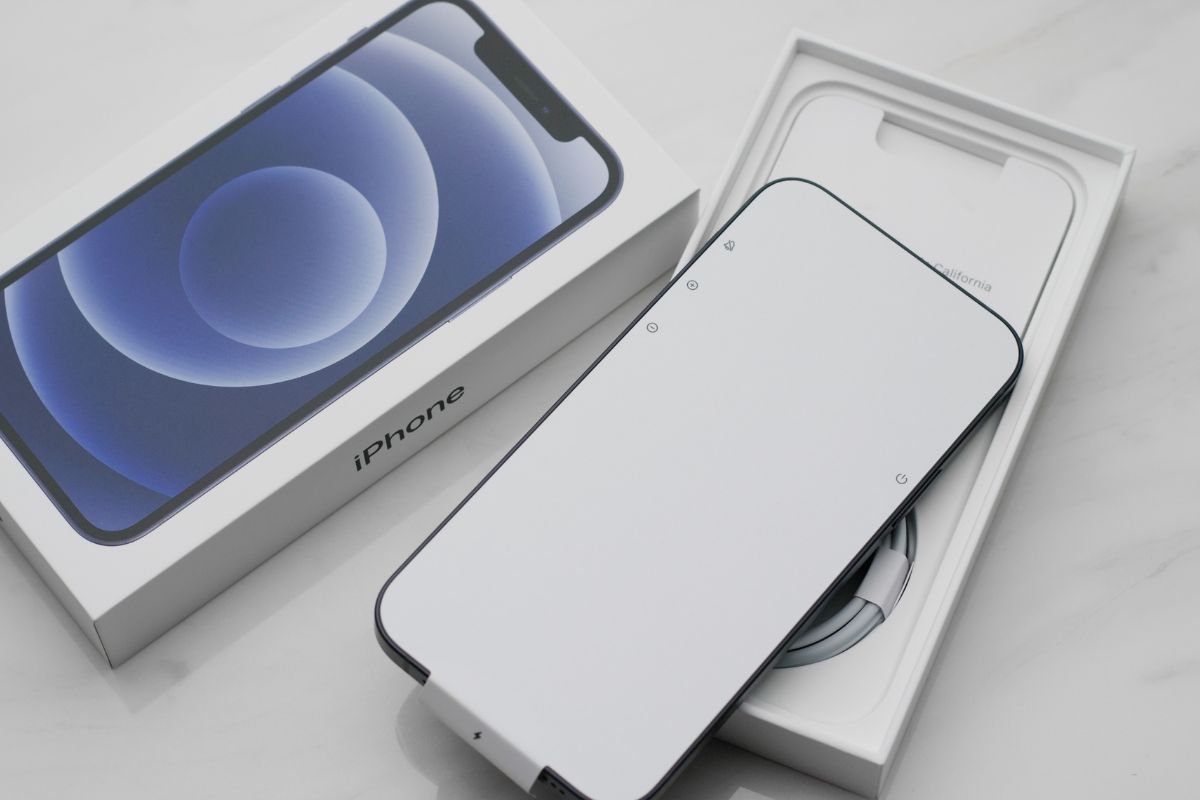
Physical inspection remains a critical layer when attempting to buy genuine iPhones in Kenya. Apple maintains strict packaging and manufacturing standards that counterfeit devices struggle to replicate accurately.
Authentic devices exhibit:
- High-density premium packaging material
- Precision-aligned logos and typography
- Consistent serial number placement across box and device
- Solid build quality with uniform finishing
Fake devices often reveal inconsistencies such as:
- Slight color mismatches in branding
- Poorly printed labels or misaligned text
- Lightweight or low-quality packaging materials
A careful physical inspection often reveals discrepancies that technical checks alone may not capture.
6. Warranty Validation and Activation Confirmation
Warranty status is one of the strongest indicators of authenticity when you want to buy genuine iPhones in Kenya. Apple provides a centralized warranty tracking system that confirms device legitimacy and activation history.
A genuine device will:
- Show valid Apple warranty coverage upon activation
- Reflect correct purchase or activation timelines
- Match serial number records across Apple systems
Devices without warranty traceability should be treated with caution, especially if sold as “new” or “sealed.”
7. Behavioral Red Flags and Buyer Decision Discipline
The final expert layer in learning how to buy genuine iPhones in Kenya involves behavioral analysis of the transaction process itself. Counterfeit sellers often rely on urgency and emotional pressure.
Common red flags include:
- “Limited stock” pressure tactics without verification
- Refusal to allow IMEI checks before payment
- Inconsistent product descriptions
- Lack of formal receipt or documentation
Professional buyers adopt a structured decision framework:
- Verify → Compare → Confirm → Purchase
Not: - Rush → Pay → Regret
To consistently buy genuine iPhones in Kenya, buyers must operate with a verification-first mindset. Authenticity is no longer guaranteed by appearance or price alone—it requires systematic evaluation across technical, behavioral, and market-based indicators. Those who apply disciplined verification methods significantly reduce risk and secure long-term value from their Apple investment.
FAQs: Buy Genuine iPhones in Kenya
These frequently asked questions provide practical guidance to help you make informed and secure purchasing decisions when dealing with Apple devices in the Kenyan market.
1. How can I safely buy genuine iPhones in Kenya without getting scammed?
To safely buy genuine iPhones in Kenya, the most important step is to combine seller verification with technical authentication before making any payment. Always ensure the seller is reputable, provides clear business details, and allows full device inspection prior to purchase. You should also insist on IMEI verification through Apple’s official coverage system, as this confirms whether the device is authentic, activated, and eligible for warranty. Additionally, avoid transactions that pressure you into immediate payment without documentation, as legitimate sellers will always prioritize transparency and customer confidence.
2. What is the most reliable way to confirm authenticity when I want to buy genuine iPhones in Kenya?
The most reliable method is IMEI and serial number verification. Every original iPhone has a unique identifier that can be checked against Apple’s database to confirm model details, warranty status, and activation history. When you buy genuine iPhones in Kenya, this step eliminates most counterfeit risks because fake devices often fail to produce valid or consistent Apple records. It is also advisable to cross-check the IMEI displayed in settings with the one printed on the box to ensure consistency.
3. Are online stores safe for people who want to buy genuine iPhones in Kenya?
Online stores can be safe, but only when they are properly verified and transparent. When you buy genuine iPhones in Kenya through online platforms, you should look for clear return policies, warranty coverage, and consistent product listings. Trusted sellers also provide customer support and allow buyers to confirm device authenticity before shipping or final payment. The key risk with online purchasing is unverified sellers who lack accountability, so due diligence is essential.
4. Why do some iPhone deals look extremely cheap in Kenya?
Unusually low prices are often a red flag in the smartphone market. When you buy genuine iPhones in Kenya, pricing is influenced by global Apple standards, import taxes, exchange rates, and device condition. If a deal is significantly below market value without a clear explanation such as refurbishment or clearance sales, it is highly likely to involve counterfeit or compromised devices. Buyers should treat unrealistic discounts with caution and prioritize verified pricing benchmarks.
5. Can refurbished devices be trusted when I want to buy genuine iPhones in Kenya?
Refurbished iPhones can be a reliable option if they are properly certified and tested. When you buy genuine iPhones in Kenya, certified refurbished devices should come with functional guarantees, battery health reports, and verified IMEI numbers. The key difference between safe and unsafe refurbished devices lies in documentation and seller credibility. Without proper certification, refurbished phones can carry hidden defects or authenticity issues.
6. What documents should I receive when I buy genuine iPhones in Kenya?
A legitimate purchase should always include a receipt, warranty details, and device identification information such as IMEI and serial number. When you buy genuine iPhones in Kenya, these documents are essential for proving ownership, claiming warranty support, and maintaining resale value. The absence of proper documentation is a strong indicator of an unverified or risky transaction.
7. How do I know if a seller is trustworthy before I buy genuine iPhones in Kenya?
A trustworthy seller demonstrates transparency in pricing, product sourcing, and customer support. When you buy genuine iPhones in Kenya, reliable sellers will have verifiable contact details, consistent online presence, and clear return or exchange policies. Customer reviews and business history also play an important role in assessing credibility. Sellers who avoid verification questions or refuse inspection should be avoided.
8. Do fake iPhones look exactly like original Apple devices?
Many counterfeit iPhones are designed to closely resemble original Apple devices, including packaging and interface design. However, when you buy genuine iPhones in Kenya, deeper inspection reveals differences in software behavior, App Store access, system updates, and overall performance. Fake devices often fail during system-level checks even if they appear identical externally.
9. Should I choose new or used devices when I buy genuine iPhones in Kenya?
Both options can be valid depending on budget and verification level. New devices offer full warranty protection and zero usage history, making them the safest option when you buy genuine iPhones in Kenya. Used or pre-owned devices can be cost-effective but require careful inspection of battery health, IMEI authenticity, and physical condition to avoid hidden issues.
10. What is the safest way to buy genuine iPhones in Kenya online?
The safest approach is to use verified Apple-focused retailers with transparent systems, warranty coverage, and clear product documentation. When you buy genuine iPhones in Kenya, platforms that provide structured listings, IMEI verification, and customer support significantly reduce risk. For example, established Apple resellers such as Apple Village provide a more controlled purchasing environment that prioritizes authenticity and buyer protection.
Buy Genuine iPhones in Kenya With Confidence
Looking for authentic Apple devices at competitive prices? Explore verified iPhone collections, transparent pricing, and trusted customer support from Apple Village. Whether you need the latest iPhone model or a reliable budget-friendly option, choosing a trusted Apple-focused platform helps you avoid counterfeit devices and make a secure long-term investment.